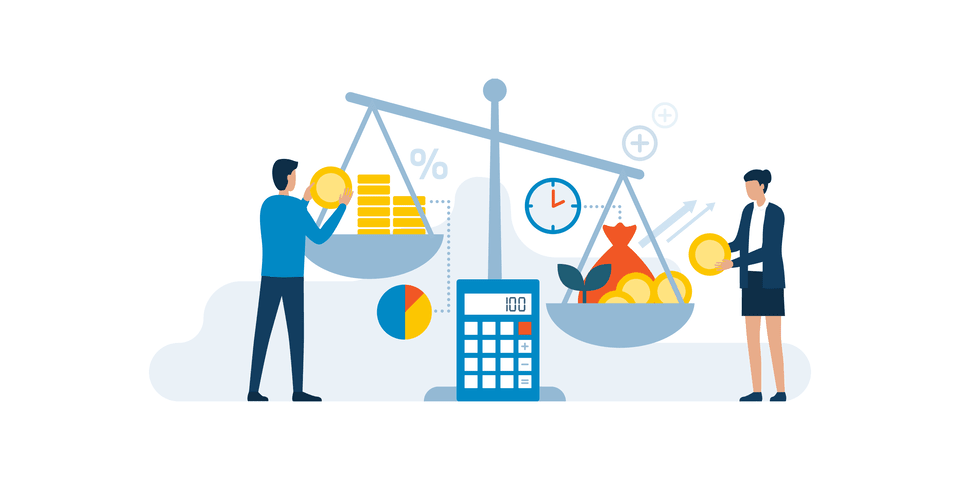
Small businesses may conduct their business accounting in-house or with an accounting firm, depending on the size and needs of the company. The core of business accounting is management, so most of the core elements involve steps to monitor things like cash flow, expenses, and inventory. Business accounting refers to bookkeeping and managerial accounting to manage a company’s daily financial activities, while also setting long-term financial goals. From forecasting to invoicing, business accounting works with bigger decision-making and granular level of operations through financial tracking, analysis, recordkeeping, budgeting, and more.
- They offer various plans with DIY options, online support, and monthly calls.
- If you are a small business, chances are you don’t actually need to hire an accountant.
- This method records both invoices and bills even if they haven’t been paid yet.
- Assets, liabilities, and shareholders’ equity comprise a balance sheet.
- Before you take on any small-business bookkeeping tasks, you must decide whether a single- or double-entry accounting system is a better fit.
- Be sure to include an “aging” column to separate “open invoices” by the number of days a bill is past due.
At its core, bookkeeping is about recording financial data, while accounting is about interpreting financial data. No, you can instead hire in-house accountants or handle financial analysis on your own. However, many small businesses can benefit from outsourcing accounting services. Bookkeeping includes keeping an ongoing ledger of transactions, rather than providing analysis or financial insights. If you’re interested in outsourcing bookkeeping, these services may help.
Account Information
Accounting involves recording, classifying, reporting, and summarizing financial transactions. The goal of small business accounting is to provide financial information about the business to its stakeholders and regulators and for tax purposes. You can also use this information internally to decide how to allocate resources and manage risks.
If you have not prepared a budget, compare your current year-to-date P&L with the same prior period, year-to-date income statement to identify variances and make adjustments. Zoho Books is surprisingly affordable, and it even has a free version. Overall, though, Zoho Books is best for businesses that use other Zoho applications, but its appeal isn’t limited to such cases.
Do your own small-business bookkeeping
In this day and age, more and more businesses are switching from receiving payments offline to online. Since the beginning of your business’ activity, you’ll have to track various transactions and expenses. There are two main bookkeeping methods, single-entry bookkeeping and double entry-bookkeeping.
A payroll service provider can do all this to save you time and ensure accuracy at a reasonable cost. You can also use our free paycheck calculator to figure out what you need to withhold from each paycheck. All you need is a simple statement showing your current cash position, expected business accounting upcoming cash receipts, and expected cash payments for this period. The companies that make small business accounting software have worked hard to make it as simple and pleasant as possible. Wave, TrulySmall Accounting, and FreshBooks are among the easiest accounting programs to use.